May 14, 2026

Plumbing

How Often Should You Inspect Your Home's Plumbing System?

Learn how often you should schedule plumbing inspections, what homeowners can check themselves, and why regular maintenance prevents costly repairs and water damage.

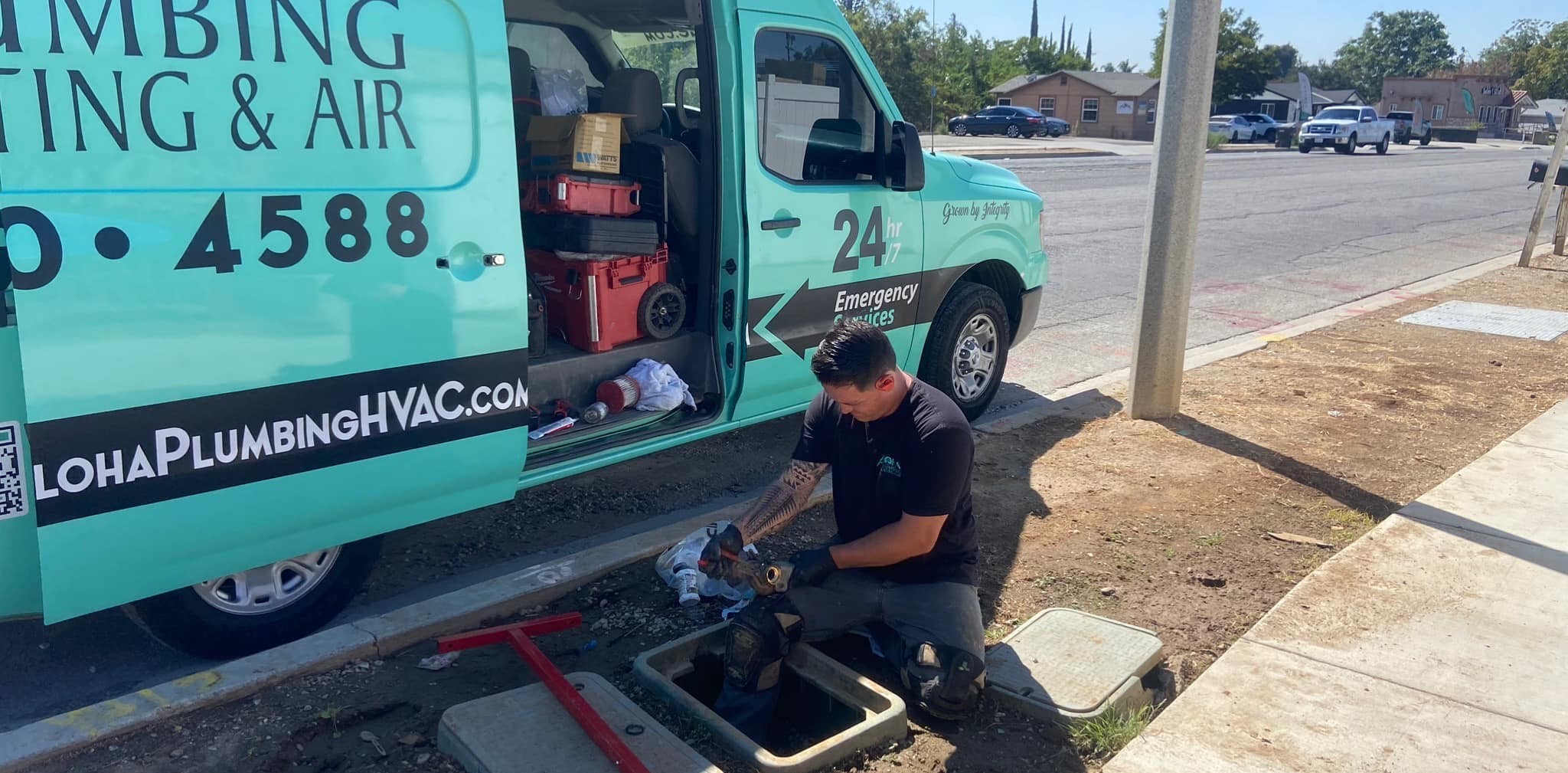
Plumber inspecting pipes under a home sink

Your home’s plumbing system works silently every single day — supplying clean water, removing waste, and keeping everything flowing smoothly. But like any complex system, it requires regular attention to stay in good condition. The question most homeowners ask is: how often is often enough?

In this guide, we break down exactly how frequently you should inspect your home’s plumbing, what those inspections should cover, what you can check yourself, and why skipping even one year of maintenance can turn a minor issue into a major expense.

The General Rule: At Least Once Every One to Two Years

Most licensed plumbers and home maintenance professionals recommend a full plumbing inspection at least once every one to two years. This frequency is enough to catch gradual problems — corroding pipes, slow leaks, pressure fluctuations, and failing fixtures — before they escalate into genuine emergencies.

However, that is a general baseline. Several factors can mean your home needs more attention.

How Home Age Affects Your Inspection Schedule

The age of your home is one of the strongest indicators of how often you should have your plumbing inspected. Different eras of construction used different pipe materials, and each comes with its own lifespan and failure patterns.

  • Homes built before 1960 may still have original galvanized steel pipes, which are highly prone to corrosion and should be inspected annually — and likely replaced

  • Homes built between 1960 and 1980 may contain copper piping or early plastic supply lines, both of which are generally reliable but still benefit from annual checks in older installations

  • Homes built after 1980 typically use PVC or PEX piping, which is more durable and flexible — these can comfortably follow the standard one-to-two-year cycle

If you are unsure what type of pipes your home has, a professional plumber can identify them during an inspection and advise on their current condition and expected lifespan.

Annual Checks Every Homeowner Should Do Themselves

Between professional visits, there are straightforward checks that any homeowner can perform to catch obvious problems early. Set aside time once a year — many people do this in spring before warmer months increase water usage — to go through the following:

  • Check under every sink for drips, moisture, staining, or soft cabinet floors that indicate a slow leak

  • Turn on every faucet and check for low pressure, discoloration, or unusual odors in the water

  • Flush every toilet and confirm it stops running within 30 to 60 seconds — a running toilet can waste thousands of gallons per month

  • Inspect your water heater for rust, corrosion, or pooling water at the base

  • Look at visible pipes in basements, crawl spaces, and utility rooms for signs of green oxidation, staining, or moisture

  • Review your water bill — a sudden unexplained increase is often the earliest sign of a hidden leak

These checks take less than an hour and can alert you to problems long before they become expensive.

What a Professional Plumbing Inspection Covers

A professional plumbing inspection goes well beyond what the naked eye can see. When you schedule a visit from a licensed plumber, you can expect them to assess the following:

  • Water pressure testing at multiple points to identify drops that signal blockages or leaks

  • Drain flow testing to check for partial blockages or slow drainage throughout the system

  • Water heater assessment including temperature settings, anode rod condition, and sediment buildup

  • Shut-off valve testing to verify all valves operate correctly in case of an emergency

  • Video camera pipe inspection for older homes or any home with recurring clogs or suspected root intrusion

  • Leak detection scanning behind walls and under floors using moisture meters or acoustic listening tools

The result of a good professional inspection is not just a report on current problems but also a prioritized list of maintenance items and upcoming risks — giving you the information to plan repairs before they become emergencies.

Special Situations That Call for an Immediate Inspection

Beyond scheduled maintenance, certain events should trigger an unplanned plumbing inspection regardless of when you last had one:

  • Buying or selling a home: a plumbing inspection is a critical part of any real estate transaction and can reveal issues that affect the property’s value

  • After a severe storm or freeze: extreme weather events can crack, shift, or damage pipes even when no immediate symptoms are visible

  • Following a sewage backup or significant clog: these events often signal deeper blockages that need professional evaluation

  • Noticing unexplained mold or mildew: moisture behind walls almost always traces back to a plumbing leak

  • After major renovations: construction activity can accidentally disturb pipes, loosen fittings, or damage supply and drain lines

The Real Cost of Skipping Regular Inspections

It is tempting to put plumbing inspections off when nothing seems to be wrong. But most plumbing failures do not announce themselves in advance. They develop quietly over months or years until a pipe finally gives way or a hidden leak has soaked through an entire wall.

The financial cost of skipping maintenance can be significant. Consider the difference between these two scenarios:

  • A routine inspection catches early corrosion on a supply pipe — a small repair costs a few hundred dollars and takes a single visit

  • That same pipe bursts two years later — the repair now includes water extraction, drywall replacement, mold treatment, and full pipe replacement, totaling several thousand dollars

Beyond cost, there is the disruption to daily life, the stress of emergency repairs, and the health risks from mold that grows in water-damaged walls. Regular inspections eliminate all of this.

Seasonal Plumbing Maintenance Tips

In addition to annual professional inspections, thinking about your plumbing seasonally helps you stay proactive throughout the year:

  • Spring: check for any damage from cold weather, flush the water heater, and inspect outdoor hose bibs and irrigation lines after winter

  • Summer: monitor water usage and pressure as demand increases, and watch for leaks near outdoor fixtures and sprinkler systems

  • Fall: insulate exposed pipes before temperatures drop, drain outdoor faucets and shut off exterior water lines

  • Winter: keep cabinet doors under sinks open during cold nights to allow warm air to circulate around pipes, and know how to shut off your main valve quickly

How to Choose the Right Plumber for an Inspection

Not all plumbing inspections are equal. When choosing a professional to inspect your home, look for the following:

  • A current state plumbing license and valid insurance coverage

  • Experience with residential plumbing in your area and familiarity with local building codes

  • Access to modern diagnostic tools including cameras and leak detection equipment

  • A written inspection report with clear findings, photographs, and a prioritized list of recommended actions

  • Positive reviews from local homeowners and a transparent, upfront pricing structure

A trustworthy plumber will never pressure you into unnecessary repairs. The goal of an inspection is to give you accurate information and let you make informed decisions about maintaining your home.

Final Thoughts

Your home’s plumbing system deserves the same level of attention you give to your roof, your HVAC, or your electrical panel. A professional inspection every one to two years, combined with simple monthly visual checks, is the most reliable way to keep your system healthy and avoid unexpected breakdowns.

The homes that experience the fewest plumbing emergencies are not lucky — they are maintained. Building a regular inspection habit is one of the smartest investments you can make as a homeowner.

If it has been more than a year since your last plumbing inspection — or if you have never had one — now is the right time to schedule it. A qualified local plumber can assess your system, flag any risks, and give you the peace of mind that everything is working exactly as it should.
FAQ

Have more questions? Our team is happy to help.

Frequently asked
questions

How often should a homeowner get a professional plumbing inspection?

Most plumbing professionals recommend scheduling a full professional inspection at least once every one to two years. Older homes with aging pipes may benefit from annual inspections to catch corrosion, leaks, or pressure issues before they cause serious damage.

What does a plumbing inspection typically include?

A standard plumbing inspection covers water pressure testing, checking all visible pipes for leaks or corrosion, inspecting the water heater, examining drain lines, reviewing shut-off valves, and looking for signs of hidden moisture damage behind walls or under floors.

Can I do a plumbing inspection myself?

Homeowners can perform basic visual checks themselves — such as looking under sinks, checking for dripping faucets, testing water pressure, and inspecting the water heater for rust or leaks. However, a professional inspection uses specialized tools to find hidden issues that are not visible to the naked eye.

What are the warning signs that my plumbing needs immediate attention?

Warning signs include low water pressure, discolored or foul-smelling water, slow drains throughout the house, unexplained increases in your water bill, water stains on ceilings or walls, and any sounds of running water when all fixtures are turned off.

How does the age of my home affect how often I should inspect my plumbing?

The older your home, the more frequently you should inspect your plumbing. Homes built before the 1980s may have galvanized steel or older copper pipes that are more susceptible to corrosion. These properties should ideally be inspected every year, and re-piping may eventually be recommended.

Does regular plumbing inspection really save money?

Absolutely. Catching a small leak, a failing water heater, or early pipe corrosion during a routine inspection costs far less than emergency repairs, structural water damage, or mold remediation. Most homeowners find that preventive maintenance more than pays for itself over time.

FAQ

Have more questions? Our team is happy to help.

Frequently asked
questions

How often should a homeowner get a professional plumbing inspection?

Most plumbing professionals recommend scheduling a full professional inspection at least once every one to two years. Older homes with aging pipes may benefit from annual inspections to catch corrosion, leaks, or pressure issues before they cause serious damage.

What does a plumbing inspection typically include?

A standard plumbing inspection covers water pressure testing, checking all visible pipes for leaks or corrosion, inspecting the water heater, examining drain lines, reviewing shut-off valves, and looking for signs of hidden moisture damage behind walls or under floors.

Can I do a plumbing inspection myself?

Homeowners can perform basic visual checks themselves — such as looking under sinks, checking for dripping faucets, testing water pressure, and inspecting the water heater for rust or leaks. However, a professional inspection uses specialized tools to find hidden issues that are not visible to the naked eye.

What are the warning signs that my plumbing needs immediate attention?

Warning signs include low water pressure, discolored or foul-smelling water, slow drains throughout the house, unexplained increases in your water bill, water stains on ceilings or walls, and any sounds of running water when all fixtures are turned off.

How does the age of my home affect how often I should inspect my plumbing?

The older your home, the more frequently you should inspect your plumbing. Homes built before the 1980s may have galvanized steel or older copper pipes that are more susceptible to corrosion. These properties should ideally be inspected every year, and re-piping may eventually be recommended.

Does regular plumbing inspection really save money?

Absolutely. Catching a small leak, a failing water heater, or early pipe corrosion during a routine inspection costs far less than emergency repairs, structural water damage, or mold remediation. Most homeowners find that preventive maintenance more than pays for itself over time.

FAQ

Have more questions? Our team is happy to help.

Frequently asked
questions

How often should a homeowner get a professional plumbing inspection?

Most plumbing professionals recommend scheduling a full professional inspection at least once every one to two years. Older homes with aging pipes may benefit from annual inspections to catch corrosion, leaks, or pressure issues before they cause serious damage.

What does a plumbing inspection typically include?

A standard plumbing inspection covers water pressure testing, checking all visible pipes for leaks or corrosion, inspecting the water heater, examining drain lines, reviewing shut-off valves, and looking for signs of hidden moisture damage behind walls or under floors.

Can I do a plumbing inspection myself?

Homeowners can perform basic visual checks themselves — such as looking under sinks, checking for dripping faucets, testing water pressure, and inspecting the water heater for rust or leaks. However, a professional inspection uses specialized tools to find hidden issues that are not visible to the naked eye.

What are the warning signs that my plumbing needs immediate attention?

Warning signs include low water pressure, discolored or foul-smelling water, slow drains throughout the house, unexplained increases in your water bill, water stains on ceilings or walls, and any sounds of running water when all fixtures are turned off.

How does the age of my home affect how often I should inspect my plumbing?

The older your home, the more frequently you should inspect your plumbing. Homes built before the 1980s may have galvanized steel or older copper pipes that are more susceptible to corrosion. These properties should ideally be inspected every year, and re-piping may eventually be recommended.

Does regular plumbing inspection really save money?

Absolutely. Catching a small leak, a failing water heater, or early pipe corrosion during a routine inspection costs far less than emergency repairs, structural water damage, or mold remediation. Most homeowners find that preventive maintenance more than pays for itself over time.

Have more questions? Our team is happy to help.

Frequently asked
questions

How often should a homeowner get a professional plumbing inspection?

Most plumbing professionals recommend scheduling a full professional inspection at least once every one to two years. Older homes with aging pipes may benefit from annual inspections to catch corrosion, leaks, or pressure issues before they cause serious damage.

What does a plumbing inspection typically include?

A standard plumbing inspection covers water pressure testing, checking all visible pipes for leaks or corrosion, inspecting the water heater, examining drain lines, reviewing shut-off valves, and looking for signs of hidden moisture damage behind walls or under floors.

Can I do a plumbing inspection myself?

Homeowners can perform basic visual checks themselves — such as looking under sinks, checking for dripping faucets, testing water pressure, and inspecting the water heater for rust or leaks. However, a professional inspection uses specialized tools to find hidden issues that are not visible to the naked eye.

What are the warning signs that my plumbing needs immediate attention?

Warning signs include low water pressure, discolored or foul-smelling water, slow drains throughout the house, unexplained increases in your water bill, water stains on ceilings or walls, and any sounds of running water when all fixtures are turned off.

How does the age of my home affect how often I should inspect my plumbing?

The older your home, the more frequently you should inspect your plumbing. Homes built before the 1980s may have galvanized steel or older copper pipes that are more susceptible to corrosion. These properties should ideally be inspected every year, and re-piping may eventually be recommended.

Does regular plumbing inspection really save money?

Absolutely. Catching a small leak, a failing water heater, or early pipe corrosion during a routine inspection costs far less than emergency repairs, structural water damage, or mold remediation. Most homeowners find that preventive maintenance more than pays for itself over time.

Reach out

Ready to Book?
Contact Us Today

Aloha Plumbing Heating and Air 555 W County Line Rd Calimesa, CA 92320

Reach out

Ready to Book?
Contact Us Today

Aloha Plumbing Heating and Air 555 W County Line Rd Calimesa, CA 92320

Reach out

Ready to Book?
Contact Us Today

Aloha Plumbing Heating and Air 555 W County Line Rd Calimesa, CA 92320