Jul 31, 2026

Plumbing

How to Find a Hidden Water Leak in Your Home

A hidden water leak can go undetected for months, silently damaging walls, floors, and foundations while driving up your water bill. Here is how to find one before it becomes a costly repair.

gray scale photo of water fountain

Some of the most expensive plumbing problems in a home are ones you cannot see. A hidden water leak can run quietly inside a wall, beneath a floor, or under a concrete slab for months or even years before it causes enough visible damage to get noticed. By the time stains appear on the ceiling or floors begin to buckle, the damage behind the surface is often already extensive.

The good news is that hidden leaks leave clues. Learning how to read those clues and knowing how to use your water meter as a detection tool can help you catch a leak early and keep a manageable repair from becoming a major renovation.

Start With Your Water Bill

An unexplained rise in your monthly water bill is one of the earliest indicators of a hidden leak. If your household habits have not changed but your bill has climbed noticeably, water is going somewhere it should not be. Compare the last three to four months of bills and look for a consistent upward trend with no obvious explanation such as increased outdoor watering, a new appliance, or additional people in the home.

A useful benchmark from the EPA is that a family of four using more than 12,000 gallons per month is very likely experiencing a leak somewhere in the system. If your bill suggests unusually high consumption, the water meter test described below is the logical next step.

How to Use Your Water Meter to Detect a Leak

The water meter test is the most reliable way for a homeowner to confirm whether a hidden leak is present. It requires no tools and takes about 30 minutes. Here is how to do it:

  1. Turn off every water-using fixture and appliance in your home. This includes faucets, showers, toilets, dishwashers, washing machines, irrigation systems, and refrigerator ice makers.

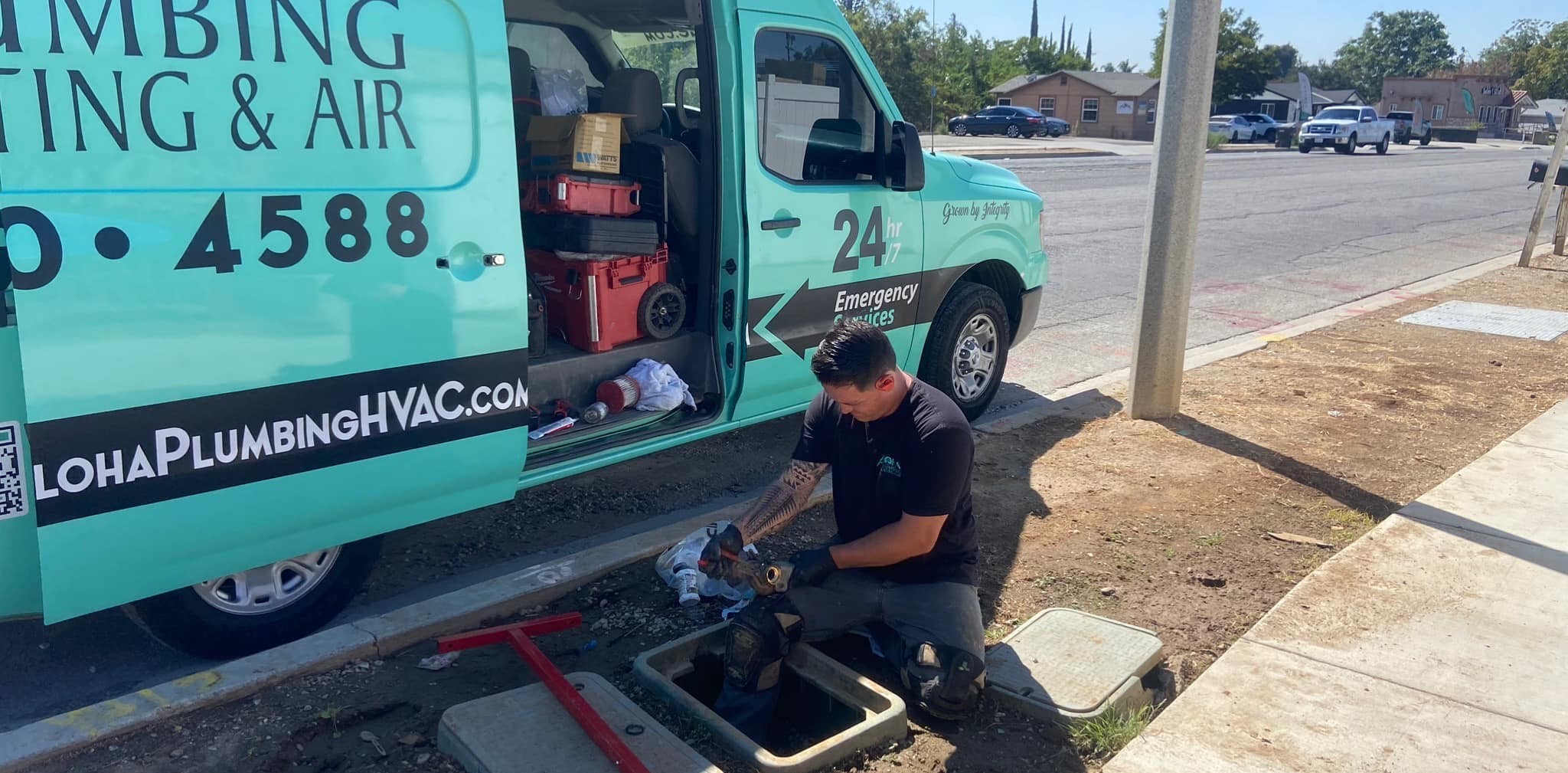
  2. Locate your water meter. In most homes it is near the street at the front of the property, often inside a small covered box set into the ground.

  3. Note the exact reading displayed on the meter dial. Many modern meters also have a small leak indicator triangle or star that spins when any water is moving through the system. If it is already moving with everything off, you have a leak.

  4. Do not use any water in the home for 30 minutes. Avoid flushing toilets, running taps, or using any appliance during this window.

  5. Return to the meter and check the reading again. If the number has changed or the indicator is still spinning, water is escaping from the system somewhere.

If the meter shows no movement with everything off, the leak may be intermittent, slow, or related to a specific fixture. A toilet that runs periodically, for example, may not register during a short test but can still waste a significant amount over a month.

Check Your Toilets First

Toilets account for a large share of household water waste and are among the most overlooked sources of hidden leaks. A flapper valve that does not seal properly will allow water to trickle from the tank into the bowl continuously without any visible overflow or sound obvious enough to notice during normal daily life.

To test a toilet for a silent leak, place a few drops of food coloring into the tank and wait 10 to 15 minutes without flushing. If color appears in the bowl before you flush, the flapper is not sealing and water is leaking through. A faulty flapper is an inexpensive fix but can waste hundreds of gallons per day if left unaddressed.

Look for Visual Warning Signs Around the Home

Even leaks hidden inside walls and ceilings eventually leave visible evidence. Do a slow walkthrough of your home looking for the following signs:

  • Discolored patches on walls or ceilings, often tan, yellow, or brown, that suggest moisture is absorbing into the drywall from behind

  • Bubbling, peeling, or blistering paint on interior walls, which can occur when moisture collects behind the surface

  • Warped, soft, or spongy flooring in bathrooms, kitchens, or laundry areas

  • A musty or mildew-like odor in a room with no obvious moisture source, which may indicate mold growing inside a wall cavity

  • Cabinets under sinks that feel damp or show water staining along the base, suggesting a slow drip from a supply line or drain connection

  • Unexplained wet or green patches in the yard, particularly along the path of buried supply lines running from the street to the house

How to Spot a Slab Leak

A slab leak occurs when a pipe beneath your home’s concrete foundation develops a crack or breach. Water escapes into the ground below the slab, and because the leak is hidden under several inches of concrete, it can go unnoticed for a long time. Slab leaks are more common in homes with copper plumbing, particularly in areas with hard or corrosive water.

Signs that may indicate a slab leak include:

  • Warm or hot spots on an otherwise cool floor, which may indicate a hot water line leaking below

  • The sound of running water heard through the floor when all fixtures are off

  • Noticeably reduced water pressure throughout the home with no obvious cause

  • Cracks developing in interior floors, walls, or the foundation itself as moisture shifts the soil beneath the slab

  • Your water heater running more often than usual, which can happen when a hot water line below the slab is continuously losing water

If you suspect a slab leak, contact a plumber promptly. These leaks cannot be reliably confirmed or repaired without professional leak detection equipment and specialist knowledge of foundation plumbing.

Check Supply Lines Behind Appliances

Supply lines running to washing machines, dishwashers, refrigerators, and ice makers are a common and easily missed source of slow leaks. Rubber hoses degrade over time and can develop pinhole cracks that allow a small but continuous drip to collect behind or under the appliance without being visible during normal use.

Pull appliances away from the wall periodically and inspect the floor and wall behind them. Look for water staining, soft flooring, mold growth at the baseboard, or any moisture around the hose connections. Replacing aging rubber supply hoses with braided stainless steel versions is a simple preventive measure that eliminates one of the most common sources of hidden appliance leaks.

Inspect the Water Heater and Its Surroundings

Water heaters can develop slow leaks at the pressure relief valve, the drain valve, or at the cold water inlet and hot water outlet connections at the top of the tank. These leaks are often small enough to evaporate before forming a puddle but will leave mineral deposits or rust stains around fittings and at the base of the unit over time.

Check the floor immediately around the water heater for any moisture or staining. Feel the pipe connections at the top of the unit with a dry cloth and check for any dampness. Any active drip from the pressure relief valve, even a small one, should be assessed by a plumber as it can indicate excessive pressure inside the tank.

When to Call a Professional Leak Detection Plumber

Many homeowners can confirm a leak is present and identify obvious sources like a dripping supply line or a running toilet. However, locating a leak inside a wall, under a floor, or beneath a slab requires professional equipment. A licensed plumber with leak detection capability will typically use one or more of the following methods:

  • Acoustic listening devices that amplify the sound of water movement inside pipe runs hidden behind drywall or under concrete

  • Thermal imaging cameras that detect temperature differences on floor and wall surfaces caused by leaking hot or cold water nearby

  • Pressure testing of isolated pipe sections to confirm which segment of a supply system is losing pressure

  • Video camera inspection of drain and sewer lines to locate cracks, displaced joints, or intrusions from tree roots

If your water meter test confirms a leak but you cannot find the source through a visual inspection, calling a plumber with leak detection equipment is the right next step. Attempting to open walls or break up flooring without first pinpointing the exact location of a leak is a costly approach that often results in unnecessary damage.

Final Thoughts

Hidden water leaks are among the most underestimated sources of home damage. A leak that goes undetected for months can cause mold growth, rot structural framing, damage flooring and drywall, and in the case of slab leaks, compromise the foundation itself. The repair bill grows with every day the leak continues.

Checking your water bill for unexplained increases, testing your water meter regularly, and doing a slow visual inspection of common leak-prone areas are simple habits that can catch a problem before it escalates. When the evidence points to a leak you cannot locate yourself, a professional leak detection service can find it quickly and precisely, saving you far more in repair costs than the service call will ever cost.

FAQ

Have more questions? Our team is happy to help.

Frequently asked
questions

How do I know if I have a hidden water leak?

The most reliable first sign is a water bill that is higher than normal without a change in usage. Other signs include the sound of running water when all fixtures are off, soft or discolored patches on walls or ceilings, a musty odor in rooms without visible moisture, warm spots on a concrete floor, or a water meter that keeps moving when all water in the home is turned off.

How do I use my water meter to check for a hidden leak?

Turn off all water-using fixtures and appliances in the home, including ice makers and irrigation systems. Note the reading on your water meter and do not use any water for 30 minutes. If the meter reading has changed when you return, water is leaving the system somewhere, which confirms a leak is present.

Can a hidden water leak damage my home's foundation?

Yes. A slab leak, which is a break in a pipe running beneath your concrete foundation, is one of the most serious types of hidden leak. Water escaping under the slab can erode the soil underneath, cause the foundation to shift or crack, and create significant structural damage over time. Warm or wet spots on the floor are common early signs.

What causes hidden water leaks inside walls?

The most common causes include corroded or aging pipe joints, pinhole leaks in copper pipes from acidic water, loose connections at elbows and fittings, and damage from nails or screws driven through drywall into pipe runs. In hard water areas, scale buildup can also weaken pipe walls over time until a small breach forms.

Can I find a hidden water leak myself or do I need a plumber?

Many homeowners can confirm that a leak exists using the water meter test and by checking visible warning signs. Pinpointing the exact location of a leak inside walls, under a slab, or behind fixtures typically requires a licensed plumber with leak detection equipment such as acoustic listening devices or thermal imaging cameras.

How much water can a hidden leak waste?

A single pinhole leak can waste 250 gallons or more per day depending on water pressure. A slow drip at a joint or fitting may not seem significant but can add up to thousands of gallons per month. The EPA estimates that household leaks in the United States waste nearly one trillion gallons of water annually, much of it from leaks homeowners are unaware of.

FAQ

Have more questions? Our team is happy to help.

Frequently asked
questions

How do I know if I have a hidden water leak?

The most reliable first sign is a water bill that is higher than normal without a change in usage. Other signs include the sound of running water when all fixtures are off, soft or discolored patches on walls or ceilings, a musty odor in rooms without visible moisture, warm spots on a concrete floor, or a water meter that keeps moving when all water in the home is turned off.

How do I use my water meter to check for a hidden leak?

Turn off all water-using fixtures and appliances in the home, including ice makers and irrigation systems. Note the reading on your water meter and do not use any water for 30 minutes. If the meter reading has changed when you return, water is leaving the system somewhere, which confirms a leak is present.

Can a hidden water leak damage my home's foundation?

Yes. A slab leak, which is a break in a pipe running beneath your concrete foundation, is one of the most serious types of hidden leak. Water escaping under the slab can erode the soil underneath, cause the foundation to shift or crack, and create significant structural damage over time. Warm or wet spots on the floor are common early signs.

What causes hidden water leaks inside walls?

The most common causes include corroded or aging pipe joints, pinhole leaks in copper pipes from acidic water, loose connections at elbows and fittings, and damage from nails or screws driven through drywall into pipe runs. In hard water areas, scale buildup can also weaken pipe walls over time until a small breach forms.

Can I find a hidden water leak myself or do I need a plumber?

Many homeowners can confirm that a leak exists using the water meter test and by checking visible warning signs. Pinpointing the exact location of a leak inside walls, under a slab, or behind fixtures typically requires a licensed plumber with leak detection equipment such as acoustic listening devices or thermal imaging cameras.

How much water can a hidden leak waste?

A single pinhole leak can waste 250 gallons or more per day depending on water pressure. A slow drip at a joint or fitting may not seem significant but can add up to thousands of gallons per month. The EPA estimates that household leaks in the United States waste nearly one trillion gallons of water annually, much of it from leaks homeowners are unaware of.

FAQ

Have more questions? Our team is happy to help.

Frequently asked
questions

How do I know if I have a hidden water leak?

The most reliable first sign is a water bill that is higher than normal without a change in usage. Other signs include the sound of running water when all fixtures are off, soft or discolored patches on walls or ceilings, a musty odor in rooms without visible moisture, warm spots on a concrete floor, or a water meter that keeps moving when all water in the home is turned off.

How do I use my water meter to check for a hidden leak?

Turn off all water-using fixtures and appliances in the home, including ice makers and irrigation systems. Note the reading on your water meter and do not use any water for 30 minutes. If the meter reading has changed when you return, water is leaving the system somewhere, which confirms a leak is present.

Can a hidden water leak damage my home's foundation?

Yes. A slab leak, which is a break in a pipe running beneath your concrete foundation, is one of the most serious types of hidden leak. Water escaping under the slab can erode the soil underneath, cause the foundation to shift or crack, and create significant structural damage over time. Warm or wet spots on the floor are common early signs.

What causes hidden water leaks inside walls?

The most common causes include corroded or aging pipe joints, pinhole leaks in copper pipes from acidic water, loose connections at elbows and fittings, and damage from nails or screws driven through drywall into pipe runs. In hard water areas, scale buildup can also weaken pipe walls over time until a small breach forms.

Can I find a hidden water leak myself or do I need a plumber?

Many homeowners can confirm that a leak exists using the water meter test and by checking visible warning signs. Pinpointing the exact location of a leak inside walls, under a slab, or behind fixtures typically requires a licensed plumber with leak detection equipment such as acoustic listening devices or thermal imaging cameras.

How much water can a hidden leak waste?

A single pinhole leak can waste 250 gallons or more per day depending on water pressure. A slow drip at a joint or fitting may not seem significant but can add up to thousands of gallons per month. The EPA estimates that household leaks in the United States waste nearly one trillion gallons of water annually, much of it from leaks homeowners are unaware of.

Have more questions? Our team is happy to help.

Frequently asked
questions

How do I know if I have a hidden water leak?

The most reliable first sign is a water bill that is higher than normal without a change in usage. Other signs include the sound of running water when all fixtures are off, soft or discolored patches on walls or ceilings, a musty odor in rooms without visible moisture, warm spots on a concrete floor, or a water meter that keeps moving when all water in the home is turned off.

How do I use my water meter to check for a hidden leak?

Turn off all water-using fixtures and appliances in the home, including ice makers and irrigation systems. Note the reading on your water meter and do not use any water for 30 minutes. If the meter reading has changed when you return, water is leaving the system somewhere, which confirms a leak is present.

Can a hidden water leak damage my home's foundation?

Yes. A slab leak, which is a break in a pipe running beneath your concrete foundation, is one of the most serious types of hidden leak. Water escaping under the slab can erode the soil underneath, cause the foundation to shift or crack, and create significant structural damage over time. Warm or wet spots on the floor are common early signs.

What causes hidden water leaks inside walls?

The most common causes include corroded or aging pipe joints, pinhole leaks in copper pipes from acidic water, loose connections at elbows and fittings, and damage from nails or screws driven through drywall into pipe runs. In hard water areas, scale buildup can also weaken pipe walls over time until a small breach forms.

Can I find a hidden water leak myself or do I need a plumber?

Many homeowners can confirm that a leak exists using the water meter test and by checking visible warning signs. Pinpointing the exact location of a leak inside walls, under a slab, or behind fixtures typically requires a licensed plumber with leak detection equipment such as acoustic listening devices or thermal imaging cameras.

How much water can a hidden leak waste?

A single pinhole leak can waste 250 gallons or more per day depending on water pressure. A slow drip at a joint or fitting may not seem significant but can add up to thousands of gallons per month. The EPA estimates that household leaks in the United States waste nearly one trillion gallons of water annually, much of it from leaks homeowners are unaware of.

Reach out

Ready to Book?
Contact Us Today

Aloha Plumbing Heating & Air

555 W County Line Rd
Calimesa, CA 92320

Reach out

Ready to Book?
Contact Us Today

Aloha Plumbing Heating & Air

555 W County Line Rd
Calimesa, CA 92320

Reach out

Ready to Book?
Contact Us Today

Aloha Plumbing Heating & Air

555 W County Line Rd
Calimesa, CA 92320