Tankless water heaters are everywhere right now. Home improvement shows feature them. Neighbors talk about them. Plumbers recommend them. And the price tag always raises an eyebrow. So the real question every Southern California homeowner asks at some point is whether the upgrade is actually worth it for their specific home.
The honest answer is, sometimes yes, sometimes no. It depends on your home, your usage, and what you are trying to solve. Here is what you need to know to make the right decision.
How a Tankless Water Heater Actually Works
Traditional water heaters store 40 to 80 gallons of hot water in a tank, keeping it heated 24 hours a day so it is ready when you turn on the tap. Tankless units skip the tank entirely. They heat water on demand, only when you actually use it.
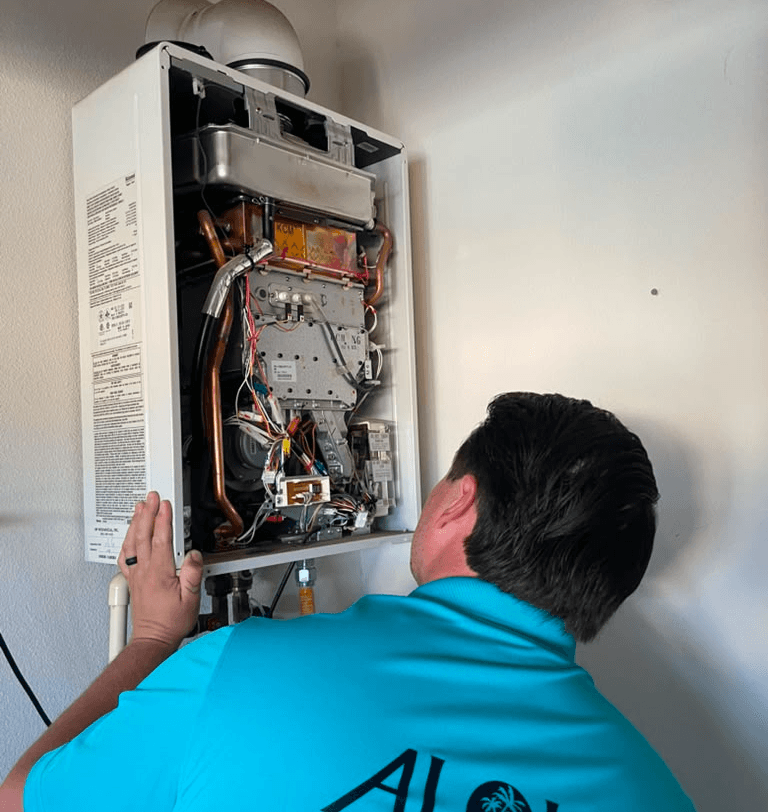
When you open a hot water faucet, cold water flows through the unit, gets heated by either a gas burner or electric element, and comes out hot. When you close the tap, the heating stops. No storage. No constant reheating. No standby energy loss.
The Main Advantages for Southern California Homes
Endless hot water is the headline benefit. As long as the unit is sized correctly for your home, you can run a shower for an hour, do laundry, and run the dishwasher without the hot water running out. For larger families or homes that run multiple hot water tasks at once, this is a significant quality of life upgrade.
Lifespan is another major advantage. A traditional tank water heater lasts 8 to 12 years on average in the hard water conditions common across Southern California. A tankless unit, properly maintained, can last 20 years or more. That is more than double the lifespan, which changes the long-term math.
Energy efficiency is the third draw. Because there is no standby loss, tankless units use 24 to 34 percent less energy than tank units for homes that use a moderate amount of hot water, according to most independent studies. The savings are smaller for very high-use households but still meaningful.
The Real Costs You Need to Understand
The upfront cost is where most homeowners stop and reconsider. A tankless water heater installation in Southern California typically runs two to three times the cost of a comparable tank replacement when you factor in the unit itself, gas line upgrades, venting, and labor. That is real money.
Existing homes also often need upgrades to support tankless. Older gas lines may not be large enough. Electrical service may need to be increased for electric models. Venting needs to be installed correctly. A reputable plumber will assess all of this before quoting you, and that quote should include everything needed to do the job right.
Hard Water Is a Real Issue in This Region
Most of Southern California has hard water. Tankless units are more sensitive to mineral buildup than tank units, because the water flows through small heat exchangers that can get coated with scale over time. Without regular maintenance, hard water can shorten the life of a tankless unit and reduce its efficiency.
The solution is annual descaling and, ideally, a water softener or a dedicated scale prevention system. These are not optional in this climate. Skipping them means you are not getting the lifespan you paid for. Budget for the maintenance when you are doing the math on whether tankless makes sense.
When Tankless Makes Sense and When It Does Not
Tankless tends to make the most sense when you are already replacing your water heater, you plan to stay in the home for at least seven to ten years, your household uses a meaningful amount of hot water, and you have or are willing to install a water softener. In those situations, the long lifespan and energy savings make the higher upfront cost easier to justify.
Tankless makes less sense when you are planning to sell soon, your current water heater is still working fine, your household uses very little hot water, or you are not willing to commit to the maintenance schedule. For some homes, a high-quality replacement tank unit is the better financial decision.
How to Make the Right Call
Get quotes from two or three licensed plumbers, including all the costs of upgrading gas, venting, electrical, and any water treatment that should go with it. Ask what maintenance the unit will need annually and what that costs. Then compare the total ten-year cost of tankless versus tank for your specific situation.
When you run the actual numbers, the answer becomes obvious for your home. For some Southern California families, tankless is the clear winner. For others, sticking with a tank is the smarter financial move. There is no universally right answer, only the right answer for your home.