Jun 22, 2026

Plumbing

Why Homeowners in Redlands Should Schedule Annual Plumbing Inspections

Annual plumbing inspections are one of the smartest investments Redlands homeowners can make. Discover why local conditions make regular professional checkups essential for protecting your home.

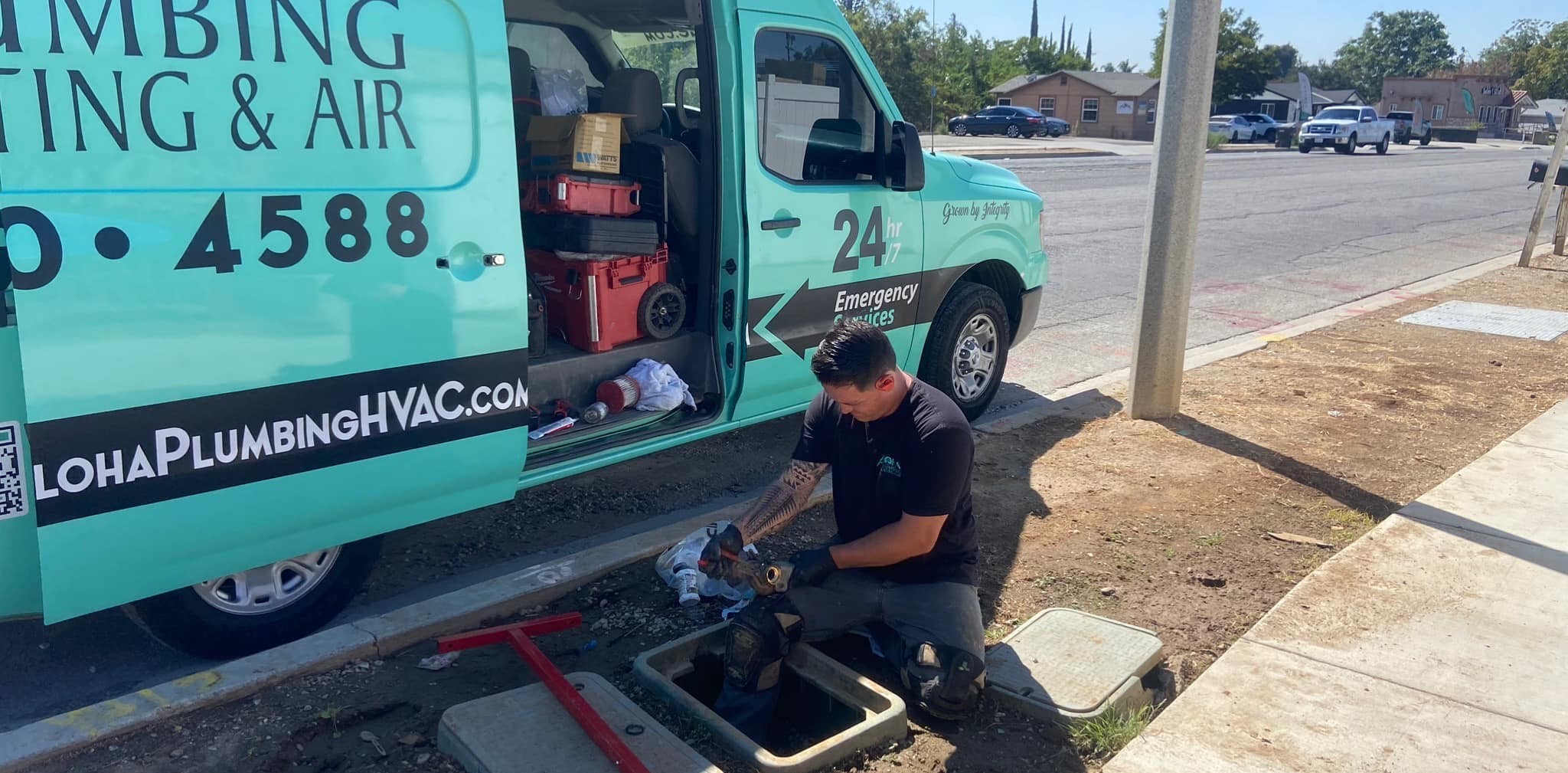
Professional technician performing a home plumbing inspection in Redlands

When life is running smoothly, plumbing is easy to overlook. Water comes out of the tap, drains clear without issue, and the water heater delivers hot showers without complaint. But this apparent reliability can be misleading — most plumbing problems develop quietly, out of sight, long before they produce any visible symptoms.

For homeowners in Redlands, the case for scheduling an annual plumbing inspection is especially strong. The city’s combination of older housing, mineral-rich water, seasonal climate shifts, and mature tree canopy creates conditions that put residential plumbing systems under consistent stress. Understanding these local factors — and the role that regular professional inspections play in managing them — is the foundation of smart home ownership in this community.

The Unique Plumbing Landscape of Redlands

Redlands is one of the most historically rich cities in the Inland Empire. Its established neighborhoods, Victorian-era architecture, and tree-lined streets give the city a character that newer developments simply cannot replicate. But that same history comes with an infrastructure reality that many homeowners underestimate.

A significant portion of residential properties in Redlands were built during the mid-twentieth century or earlier. Many of these homes have original or partially replaced plumbing systems that have been in service for fifty years or more. Galvanized steel, aging copper, and early plastic pipe materials are common in these properties — and all of them have a finite service life that is either approaching or already exceeded in many cases.

At the same time, the city’s water supply carries a mineral load that accelerates wear on plumbing components in ways that are invisible until a fixture, valve, or pipe finally fails. Annual inspections are specifically designed to catch these cumulative issues before they cross the threshold into failure.

Hard Water and Its Hidden Impact on Redlands Plumbing

Hard water is one of the most underappreciated threats to residential plumbing. Redlands, like much of the Inland Empire, receives water with elevated levels of dissolved calcium and magnesium. These minerals are harmless to drink but steadily damaging to plumbing infrastructure.

As hard water flows through pipes and appliances, it leaves behind mineral deposits — commonly called scale or limescale. Over months and years of continuous use, this scale accumulates and causes a range of compounding problems:

  • Reduced pipe diameter as scale builds up on interior walls, gradually dropping water pressure throughout the home

  • Water heater inefficiency as sediment layers on the tank floor force the heating element to work harder and longer to achieve the same output

  • Shortened appliance lifespan for dishwashers, washing machines, and water heaters that handle high-mineral water daily

  • Accelerated valve and seal wear as mineral deposits abrade moving parts inside fixtures and shut-off valves

During an annual inspection, a plumber can assess scale accumulation in accessible pipes and appliances, recommend a water softener installation if the buildup is significant, and service the water heater to remove sediment before it causes premature failure. These are interventions that pay for themselves many times over in extended appliance life and avoided repair bills.

Tree Root Intrusion: A Silent Threat in Redlands Neighborhoods

One of the most distinctive features of Redlands is its abundance of mature trees — a legacy of the city’s citrus-growing history and decades of residential landscaping. These trees add beauty and shade, but their root systems present a persistent and serious threat to underground sewer lines.

Tree roots are naturally drawn toward moisture, and sewer lines are a concentrated source of both water and nutrients. Even the smallest gap in a joint or fitting is enough for fine root tendrils to enter a pipe. Once inside, they grow rapidly, eventually filling the entire pipe diameter, causing blockages, and in some cases cracking or collapsing the line entirely.

Homeowners rarely notice root intrusion until the damage is advanced. By the time a sewer backup or severe blockage occurs, the roots may have been growing inside the pipe for a year or more. Annual plumbing inspections that include a sewer camera check are the only reliable method of catching root intrusion at a stage where clearing it is relatively straightforward and inexpensive.

A sewer backup caused by advanced root intrusion requires emergency service, extensive cleaning, and often pipe repair or replacement — a repair bill that can easily reach several thousand dollars. Catching the same issue during a routine camera inspection costs a fraction of that.

Aging Pipe Infrastructure in Established Redlands Homes

Many of the plumbing systems in Redlands’ older neighborhoods were installed using materials and techniques that are now decades past their expected service life. Understanding which pipe types are present in your home — and what risks they carry — is a key part of responsible home ownership.

  • Galvanized steel pipes: common in homes built before 1970, these pipes corrode from the inside out over time, gradually restricting flow and eventually failing. Rust-colored water and low pressure are classic warning signs

  • Early copper pipes: while copper is generally durable, older copper installations can develop pinhole leaks from prolonged exposure to Redlands’ mineral-heavy water, particularly in areas where the pH is lower

  • Clay and cast iron sewer lines: widely used in homes built before the 1980s, these materials are prone to cracking, root infiltration, and joint separation as the ground shifts over decades

  • Polybutylene piping: installed in some homes during the 1970s and 1980s, this material is known to degrade and fail at fittings and is widely considered a liability that warrants proactive replacement

An annual inspection performed by an experienced Redlands plumber will identify what materials are present in your home’s system, assess their current condition, and advise on the priority and timing of any replacements. This kind of informed planning allows homeowners to budget for pipe upgrades gradually rather than facing a forced emergency replacement.

What a Thorough Annual Inspection Covers

Not all plumbing inspections are created equal. A comprehensive annual inspection from a qualified local plumber should evaluate every component of your system, not just the obvious or easily accessible parts. Here is what a thorough Redlands inspection should include:

  • Water pressure testing at multiple points to identify drops that suggest hidden leaks or significant scale buildup

  • Visual inspection of all accessible supply and drain pipes for corrosion, staining, moisture, or damage

  • Water heater assessment covering temperature, anode rod condition, sediment level, pressure relief valve function, and age

  • Drain flow testing in all bathrooms, the kitchen, and utility areas to identify partial blockages early

  • Shut-off valve testing to confirm that individual fixture valves and the main supply valve operate correctly in an emergency

  • Sewer line camera inspection for root intrusion, buildup, or structural damage — particularly important given Redlands’ tree canopy

  • Moisture scan behind walls and under floors in bathrooms and kitchens to detect hidden leaks before they cause structural damage

A good inspection concludes with a written report that documents current conditions, identifies items that need attention, prioritizes them by urgency, and gives the homeowner the information they need to make informed decisions about maintenance and repair timing.

The Financial Case for Annual Inspections in Redlands

Some homeowners hesitate to schedule an annual inspection because they view it as an unnecessary expense when nothing appears to be wrong. This perspective is understandable but ultimately costly. The financial math strongly favors regular preventive maintenance over reactive repairs.

Consider a few examples of what catching a problem early versus late looks like in real terms for a Redlands homeowner:

  • A slow root intrusion caught during a routine sewer camera check is cleared with hydro-jetting — the same intrusion discovered after a full backup may require pipe relining or replacement at many times the cost

  • A water heater showing early sediment buildup is serviced and given additional years of useful life — the same heater that fails suddenly requires emergency replacement plus potential water damage remediation

  • A pinhole pipe leak detected during an inspection is repaired with a targeted fix — the same leak discovered after soaking into a wall for months requires drywall removal, mold remediation, and a more extensive repair

Beyond repair costs, an annual inspection often identifies running toilets, dripping faucets, or other low-level water waste that silently inflates your utility bills month after month. Correcting these inefficiencies during an inspection visit frequently saves more in water costs over the year than the inspection itself costs.

Protecting Your Property Value in Redlands

Redlands has maintained consistently strong property values relative to the broader Inland Empire, driven by its reputation as a desirable, established community with quality housing stock. For homeowners who plan to sell at any point in the future, the condition of a home’s plumbing system plays a direct role in the inspection process and can significantly affect the final sale price or transaction.

A home with documented annual plumbing inspection records and a well-maintained system is a more confident listing than one where the plumbing history is unknown. Buyers and their inspectors scrutinize plumbing carefully in older homes, and any identified issues discovered during an escrow inspection become negotiating leverage — often reducing the sale price by far more than the cost of the repairs themselves.

Proactive annual inspections keep your system in verifiable good condition, protect your investment, and give you full control over repair timing rather than forcing last-minute fixes during a stressful sale process.

The Best Time of Year to Schedule Your Redlands Inspection

While an annual inspection is beneficial at any time of year, many Redlands homeowners find that scheduling in early spring or late fall aligns well with the natural seasonal rhythm of home maintenance.

A spring inspection allows a plumber to assess any issues that developed over the winter months — including temperature-related pipe stress, condensation problems, and wear on outdoor fixtures that were exposed to cold. It also provides an opportunity to prepare the system for the increased water demand that comes with summer landscaping and higher household usage.

A fall inspection positions the home for winter by verifying that pipes in exposed areas are adequately insulated, outdoor water lines are properly shut off or drained, and the water heater is in good working order for the period of heavier demand.

Regardless of season, the most important thing is consistency. Scheduling your inspection for the same month each year — and treating it as a non-negotiable part of annual home maintenance — is the approach that delivers the best long-term results.

Choosing the Right Plumber for Your Redlands Annual Inspection

The quality of a plumbing inspection depends entirely on the knowledge, tools, and professionalism of the plumber performing it. When selecting a professional for your annual Redlands inspection, look for these qualities:

  • A current California plumbing license and valid liability and workers’ compensation insurance

  • Demonstrated experience with residential plumbing in the Redlands and Inland Empire area and familiarity with the pipe materials and conditions common in local housing stock

  • Access to professional inspection tools including a sewer camera, pressure gauges, moisture meter, and leak detection equipment

  • A structured inspection process that covers all major system components and concludes with a written report you can keep for your records

  • Transparent, upfront pricing and a professional approach that prioritizes your interests over upselling unnecessary services

Asking for a written inspection report and keeping it on file year after year builds a documented maintenance history for your home — something that is valuable both for your own planning and as a record to present to buyers if you choose to sell.

Final Thoughts

For Redlands homeowners, annual plumbing inspections are not optional maintenance — they are a practical necessity driven by the city’s specific housing age, water quality, and environmental characteristics. The combination of hard water, aging pipe materials, active tree root systems, and seasonal climate variation creates a threat profile that only consistent professional oversight can reliably manage.

The cost of a single annual inspection is modest in comparison to any one of the repair scenarios it prevents. The peace of mind that comes from knowing your system has been professionally evaluated, documented, and cleared is an ongoing benefit that compounds year after year as your home ages.

If you have not had your Redlands home’s plumbing inspected in the past year — or have never had a professional inspection at all — now is the right time to change that. Contact a trusted local plumber, schedule your annual visit, and take the first step toward a plumbing system you can genuinely rely on.

FAQ

Have more questions? Our team is happy to help.

Frequently asked
questions

How often should Redlands homeowners schedule a plumbing inspection?

Redlands homeowners are strongly advised to schedule a professional plumbing inspection at least once per year. Homes built before the 1990s, properties with mature trees near sewer lines, or households that have noticed any warning signs such as low pressure or slow drains should not skip a single year. For newer homes in good condition, every two years may be acceptable, though annual inspections are always the safer choice.

What makes Redlands different from other cities when it comes to plumbing maintenance?

Redlands has a unique combination of factors that make annual plumbing maintenance especially important. The city has a significant number of historic and older homes with aging pipe infrastructure. The region also experiences hard water with high mineral content, seasonal temperature swings, and mature tree-lined streets where root intrusion into sewer lines is common. Together, these factors create a higher risk profile for plumbing failures than newer planned communities.

What is typically included in a professional plumbing inspection in Redlands?

A thorough professional inspection in Redlands will cover water pressure testing throughout the home, inspection of all visible supply and drain pipes, water heater evaluation, drain flow testing, shut-off valve function checks, sewer line assessment for blockages or root intrusion, and moisture scanning for hidden leaks. Many plumbers also evaluate pipe materials and advise on upgrading aging components before they fail.

Can annual plumbing inspections help lower my water bill in Redlands?

Yes. Hidden leaks, running toilets, and inefficient fixtures are among the most common causes of elevated water bills in Redlands homes. A professional inspection identifies all of these issues, many of which homeowners are unaware of. Fixing even a single moderate hidden leak can reduce monthly water consumption by hundreds of gallons and produce noticeable savings on utility bills within one billing cycle.

How does Redlands hard water affect home plumbing systems?

Redlands receives its water from sources with elevated calcium and magnesium mineral content, which is classified as hard water. Over time these minerals deposit inside pipes, water heaters, and fixtures, reducing flow rates, lowering appliance efficiency, and accelerating wear on seals and valves. A plumber can assess the extent of scale buildup during an inspection and recommend solutions such as water softeners or descaling treatments.

What happens if I skip annual plumbing inspections in Redlands?

Skipping annual inspections allows small, developing problems to progress undetected. In Redlands, the most common consequences include water heater failure from unchecked scale buildup, sewer backups from root intrusion that went unnoticed, pipe leaks behind walls leading to mold and structural damage, and sudden pipe failures requiring emergency service at premium cost. Most major plumbing failures that homeowners experience could have been prevented or caught early with a routine annual inspection.

FAQ

Have more questions? Our team is happy to help.

Frequently asked
questions

How often should Redlands homeowners schedule a plumbing inspection?

Redlands homeowners are strongly advised to schedule a professional plumbing inspection at least once per year. Homes built before the 1990s, properties with mature trees near sewer lines, or households that have noticed any warning signs such as low pressure or slow drains should not skip a single year. For newer homes in good condition, every two years may be acceptable, though annual inspections are always the safer choice.

What makes Redlands different from other cities when it comes to plumbing maintenance?

Redlands has a unique combination of factors that make annual plumbing maintenance especially important. The city has a significant number of historic and older homes with aging pipe infrastructure. The region also experiences hard water with high mineral content, seasonal temperature swings, and mature tree-lined streets where root intrusion into sewer lines is common. Together, these factors create a higher risk profile for plumbing failures than newer planned communities.

What is typically included in a professional plumbing inspection in Redlands?

A thorough professional inspection in Redlands will cover water pressure testing throughout the home, inspection of all visible supply and drain pipes, water heater evaluation, drain flow testing, shut-off valve function checks, sewer line assessment for blockages or root intrusion, and moisture scanning for hidden leaks. Many plumbers also evaluate pipe materials and advise on upgrading aging components before they fail.

Can annual plumbing inspections help lower my water bill in Redlands?

Yes. Hidden leaks, running toilets, and inefficient fixtures are among the most common causes of elevated water bills in Redlands homes. A professional inspection identifies all of these issues, many of which homeowners are unaware of. Fixing even a single moderate hidden leak can reduce monthly water consumption by hundreds of gallons and produce noticeable savings on utility bills within one billing cycle.

How does Redlands hard water affect home plumbing systems?

Redlands receives its water from sources with elevated calcium and magnesium mineral content, which is classified as hard water. Over time these minerals deposit inside pipes, water heaters, and fixtures, reducing flow rates, lowering appliance efficiency, and accelerating wear on seals and valves. A plumber can assess the extent of scale buildup during an inspection and recommend solutions such as water softeners or descaling treatments.

What happens if I skip annual plumbing inspections in Redlands?

Skipping annual inspections allows small, developing problems to progress undetected. In Redlands, the most common consequences include water heater failure from unchecked scale buildup, sewer backups from root intrusion that went unnoticed, pipe leaks behind walls leading to mold and structural damage, and sudden pipe failures requiring emergency service at premium cost. Most major plumbing failures that homeowners experience could have been prevented or caught early with a routine annual inspection.

FAQ

Have more questions? Our team is happy to help.

Frequently asked
questions

How often should Redlands homeowners schedule a plumbing inspection?

Redlands homeowners are strongly advised to schedule a professional plumbing inspection at least once per year. Homes built before the 1990s, properties with mature trees near sewer lines, or households that have noticed any warning signs such as low pressure or slow drains should not skip a single year. For newer homes in good condition, every two years may be acceptable, though annual inspections are always the safer choice.

What makes Redlands different from other cities when it comes to plumbing maintenance?

Redlands has a unique combination of factors that make annual plumbing maintenance especially important. The city has a significant number of historic and older homes with aging pipe infrastructure. The region also experiences hard water with high mineral content, seasonal temperature swings, and mature tree-lined streets where root intrusion into sewer lines is common. Together, these factors create a higher risk profile for plumbing failures than newer planned communities.

What is typically included in a professional plumbing inspection in Redlands?

A thorough professional inspection in Redlands will cover water pressure testing throughout the home, inspection of all visible supply and drain pipes, water heater evaluation, drain flow testing, shut-off valve function checks, sewer line assessment for blockages or root intrusion, and moisture scanning for hidden leaks. Many plumbers also evaluate pipe materials and advise on upgrading aging components before they fail.

Can annual plumbing inspections help lower my water bill in Redlands?

Yes. Hidden leaks, running toilets, and inefficient fixtures are among the most common causes of elevated water bills in Redlands homes. A professional inspection identifies all of these issues, many of which homeowners are unaware of. Fixing even a single moderate hidden leak can reduce monthly water consumption by hundreds of gallons and produce noticeable savings on utility bills within one billing cycle.

How does Redlands hard water affect home plumbing systems?

Redlands receives its water from sources with elevated calcium and magnesium mineral content, which is classified as hard water. Over time these minerals deposit inside pipes, water heaters, and fixtures, reducing flow rates, lowering appliance efficiency, and accelerating wear on seals and valves. A plumber can assess the extent of scale buildup during an inspection and recommend solutions such as water softeners or descaling treatments.

What happens if I skip annual plumbing inspections in Redlands?

Skipping annual inspections allows small, developing problems to progress undetected. In Redlands, the most common consequences include water heater failure from unchecked scale buildup, sewer backups from root intrusion that went unnoticed, pipe leaks behind walls leading to mold and structural damage, and sudden pipe failures requiring emergency service at premium cost. Most major plumbing failures that homeowners experience could have been prevented or caught early with a routine annual inspection.

Have more questions? Our team is happy to help.

Frequently asked
questions

How often should Redlands homeowners schedule a plumbing inspection?

Redlands homeowners are strongly advised to schedule a professional plumbing inspection at least once per year. Homes built before the 1990s, properties with mature trees near sewer lines, or households that have noticed any warning signs such as low pressure or slow drains should not skip a single year. For newer homes in good condition, every two years may be acceptable, though annual inspections are always the safer choice.

What makes Redlands different from other cities when it comes to plumbing maintenance?

Redlands has a unique combination of factors that make annual plumbing maintenance especially important. The city has a significant number of historic and older homes with aging pipe infrastructure. The region also experiences hard water with high mineral content, seasonal temperature swings, and mature tree-lined streets where root intrusion into sewer lines is common. Together, these factors create a higher risk profile for plumbing failures than newer planned communities.

What is typically included in a professional plumbing inspection in Redlands?

A thorough professional inspection in Redlands will cover water pressure testing throughout the home, inspection of all visible supply and drain pipes, water heater evaluation, drain flow testing, shut-off valve function checks, sewer line assessment for blockages or root intrusion, and moisture scanning for hidden leaks. Many plumbers also evaluate pipe materials and advise on upgrading aging components before they fail.

Can annual plumbing inspections help lower my water bill in Redlands?

Yes. Hidden leaks, running toilets, and inefficient fixtures are among the most common causes of elevated water bills in Redlands homes. A professional inspection identifies all of these issues, many of which homeowners are unaware of. Fixing even a single moderate hidden leak can reduce monthly water consumption by hundreds of gallons and produce noticeable savings on utility bills within one billing cycle.

How does Redlands hard water affect home plumbing systems?

Redlands receives its water from sources with elevated calcium and magnesium mineral content, which is classified as hard water. Over time these minerals deposit inside pipes, water heaters, and fixtures, reducing flow rates, lowering appliance efficiency, and accelerating wear on seals and valves. A plumber can assess the extent of scale buildup during an inspection and recommend solutions such as water softeners or descaling treatments.

What happens if I skip annual plumbing inspections in Redlands?

Skipping annual inspections allows small, developing problems to progress undetected. In Redlands, the most common consequences include water heater failure from unchecked scale buildup, sewer backups from root intrusion that went unnoticed, pipe leaks behind walls leading to mold and structural damage, and sudden pipe failures requiring emergency service at premium cost. Most major plumbing failures that homeowners experience could have been prevented or caught early with a routine annual inspection.

Reach out

Ready to Book?
Contact Us Today

Aloha Plumbing Heating and Air 555 W County Line Rd Calimesa, CA 92320

Reach out

Ready to Book?
Contact Us Today

Aloha Plumbing Heating and Air 555 W County Line Rd Calimesa, CA 92320

Reach out

Ready to Book?
Contact Us Today

Aloha Plumbing Heating and Air 555 W County Line Rd Calimesa, CA 92320