Jul 6, 2026

Plumbing

What to Do When a Pipe Bursts: 6 Steps Before the Plumber Arrives

A burst pipe can cause serious water damage in minutes. Follow these six emergency steps to control the leak, protect your home, and help your plumber fix the problem faster.

A plumber repairing pipes under a sink

A burst pipe is one of the most stressful plumbing emergencies a homeowner can face. Water can spread quickly through floors, walls, cabinets, and ceilings, turning a small leak into costly damage within minutes. The good news is that a calm, fast response can protect your home before a plumber gets there.

If you are wondering what to do when a pipe bursts, start with safety, then stop the water, reduce damage, and prepare clear information for your plumber. Here are six practical steps to take before professional help arrives.

1. Shut Off the Main Water Supply

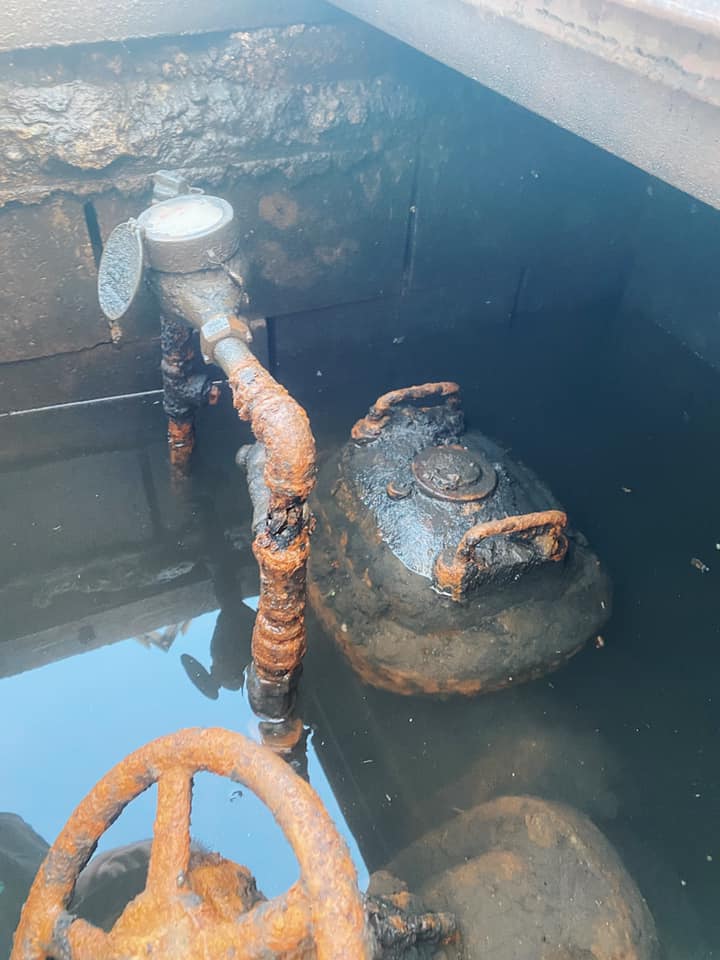
The first and most important step is to stop more water from entering the broken pipe. Locate your main water shut-off valve and turn it off immediately. In many homes, this valve is near the water meter, in a basement, garage, utility room, crawl space, or outside along an exterior wall.

After the main supply is off, open a few cold-water faucets to relieve pressure in the plumbing system. This can help drain remaining water from the lines and may reduce leaking from the burst area.

2. Turn Off Electricity if Water Is Near Power

Water and electricity are a dangerous combination. If the leak is close to outlets, appliances, extension cords, lights, or your electrical panel, avoid stepping into standing water. If it is safe to reach your breaker panel, turn off power to the affected area.

If you are unsure whether the area is safe, wait for a qualified professional. Your safety matters more than saving furniture or belongings.

3. Move Valuables Away from the Water

Once the water supply is off and the area is safe, move furniture, rugs, electronics, important documents, clothing, and other valuables away from the leak. Place aluminum foil, plastic lids, or blocks under furniture legs if items cannot be moved quickly.

The goal is to limit how much water gets absorbed into porous materials. The sooner you protect these items, the lower the risk of stains, swelling, mold, and permanent damage.

4. Contain the Leak and Remove Standing Water

Use buckets, towels, mops, or a wet-dry vacuum to control and remove water. If water is still dripping from the damaged pipe after the main valve is off, wrap the area with towels or rubber sheeting and secure it with tape or a clamp. This is not a permanent repair, but it may slow dripping until the plumber arrives.

Open cabinet doors around sinks and plumbing lines so air can circulate. If weather allows, open windows and use fans or a dehumidifier to start drying the space. Fast drying helps reduce mold risk after a burst pipe.

5. Document the Damage for Insurance

Before you throw away damaged items or make major cleanup changes, take clear photos and videos. Capture the burst pipe, standing water, soaked flooring, damaged walls, affected furniture, and any visible source of the leak.

Keep receipts for emergency plumbing, cleanup supplies, temporary lodging, and water damage restoration. Many homeowners insurance policies require documentation for sudden plumbing emergencies, and good records can make the claim process smoother.

6. Call an Emergency Plumber and Share Key Details

Once the immediate situation is under control, call a licensed emergency plumber. Tell them where the pipe burst, whether the main water supply is off, what materials the pipe appears to be made from, how much water leaked, and whether the area has electrical hazards or structural damage.

Clear information helps the plumber arrive prepared with the right tools and parts. If you can safely send photos, do so. This can speed up diagnosis and repair once they reach your home.

What Not to Do After a Pipe Bursts

  • Do not ignore small leaks after shutting off the water. Even slow dripping can damage walls and flooring.

  • Do not use electrical devices in standing water or near wet outlets.

  • Do not make permanent pipe repairs unless you are qualified to do so.

  • Do not delay cleanup. Moisture left behind can lead to mold growth within 24 to 48 hours.

Final Thoughts

A burst pipe requires immediate action. Shut off the water, protect yourself from electrical hazards, move valuables, control the leak, document the damage, and contact an emergency plumber as soon as possible. These steps can reduce water damage, lower repair costs, and help your plumber restore your plumbing system faster.
FAQ

Have more questions? Our team is happy to help.

Frequently asked
questions

What is the first thing to do when a pipe bursts?

Shut off the main water supply immediately. This stops more water from entering the damaged pipe and limits flooding.

Should I turn off the electricity after a burst pipe?

Yes, if water is near outlets, appliances, wiring, or the breaker panel. Stay out of standing water and call a professional if you are unsure.

Can I temporarily fix a burst pipe myself?

You can slow the leak with plumber’s tape, a pipe clamp, rubber sheeting, or towels, but these are temporary measures until a licensed plumber repairs it.

How do I reduce water damage before the plumber arrives?

Move valuables, soak up standing water, open cabinets, improve airflow, and document the damage with photos for insurance.

Will my homeowners insurance cover a burst pipe?

Many policies cover sudden and accidental water damage, but coverage depends on your policy and the cause of the burst. Contact your insurer quickly.

How can I prevent pipes from bursting again?

Insulate exposed pipes, keep indoor temperatures stable, fix small leaks early, and schedule regular plumbing inspections before cold weather.

FAQ

Have more questions? Our team is happy to help.

Frequently asked
questions

What is the first thing to do when a pipe bursts?

Shut off the main water supply immediately. This stops more water from entering the damaged pipe and limits flooding.

Should I turn off the electricity after a burst pipe?

Yes, if water is near outlets, appliances, wiring, or the breaker panel. Stay out of standing water and call a professional if you are unsure.

Can I temporarily fix a burst pipe myself?

You can slow the leak with plumber’s tape, a pipe clamp, rubber sheeting, or towels, but these are temporary measures until a licensed plumber repairs it.

How do I reduce water damage before the plumber arrives?

Move valuables, soak up standing water, open cabinets, improve airflow, and document the damage with photos for insurance.

Will my homeowners insurance cover a burst pipe?

Many policies cover sudden and accidental water damage, but coverage depends on your policy and the cause of the burst. Contact your insurer quickly.

How can I prevent pipes from bursting again?

Insulate exposed pipes, keep indoor temperatures stable, fix small leaks early, and schedule regular plumbing inspections before cold weather.

FAQ

Have more questions? Our team is happy to help.

Frequently asked
questions

What is the first thing to do when a pipe bursts?

Shut off the main water supply immediately. This stops more water from entering the damaged pipe and limits flooding.

Should I turn off the electricity after a burst pipe?

Yes, if water is near outlets, appliances, wiring, or the breaker panel. Stay out of standing water and call a professional if you are unsure.

Can I temporarily fix a burst pipe myself?

You can slow the leak with plumber’s tape, a pipe clamp, rubber sheeting, or towels, but these are temporary measures until a licensed plumber repairs it.

How do I reduce water damage before the plumber arrives?

Move valuables, soak up standing water, open cabinets, improve airflow, and document the damage with photos for insurance.

Will my homeowners insurance cover a burst pipe?

Many policies cover sudden and accidental water damage, but coverage depends on your policy and the cause of the burst. Contact your insurer quickly.

How can I prevent pipes from bursting again?

Insulate exposed pipes, keep indoor temperatures stable, fix small leaks early, and schedule regular plumbing inspections before cold weather.

Have more questions? Our team is happy to help.

Frequently asked
questions

What is the first thing to do when a pipe bursts?

Shut off the main water supply immediately. This stops more water from entering the damaged pipe and limits flooding.

Should I turn off the electricity after a burst pipe?

Yes, if water is near outlets, appliances, wiring, or the breaker panel. Stay out of standing water and call a professional if you are unsure.

Can I temporarily fix a burst pipe myself?

You can slow the leak with plumber’s tape, a pipe clamp, rubber sheeting, or towels, but these are temporary measures until a licensed plumber repairs it.

How do I reduce water damage before the plumber arrives?

Move valuables, soak up standing water, open cabinets, improve airflow, and document the damage with photos for insurance.

Will my homeowners insurance cover a burst pipe?

Many policies cover sudden and accidental water damage, but coverage depends on your policy and the cause of the burst. Contact your insurer quickly.

How can I prevent pipes from bursting again?

Insulate exposed pipes, keep indoor temperatures stable, fix small leaks early, and schedule regular plumbing inspections before cold weather.

Reach out

Ready to Book?
Contact Us Today

Aloha Plumbing Heating and Air 555 W County Line Rd Calimesa, CA 92320

Reach out

Ready to Book?
Contact Us Today

Aloha Plumbing Heating and Air 555 W County Line Rd Calimesa, CA 92320

Reach out

Ready to Book?
Contact Us Today

Aloha Plumbing Heating and Air 555 W County Line Rd Calimesa, CA 92320